
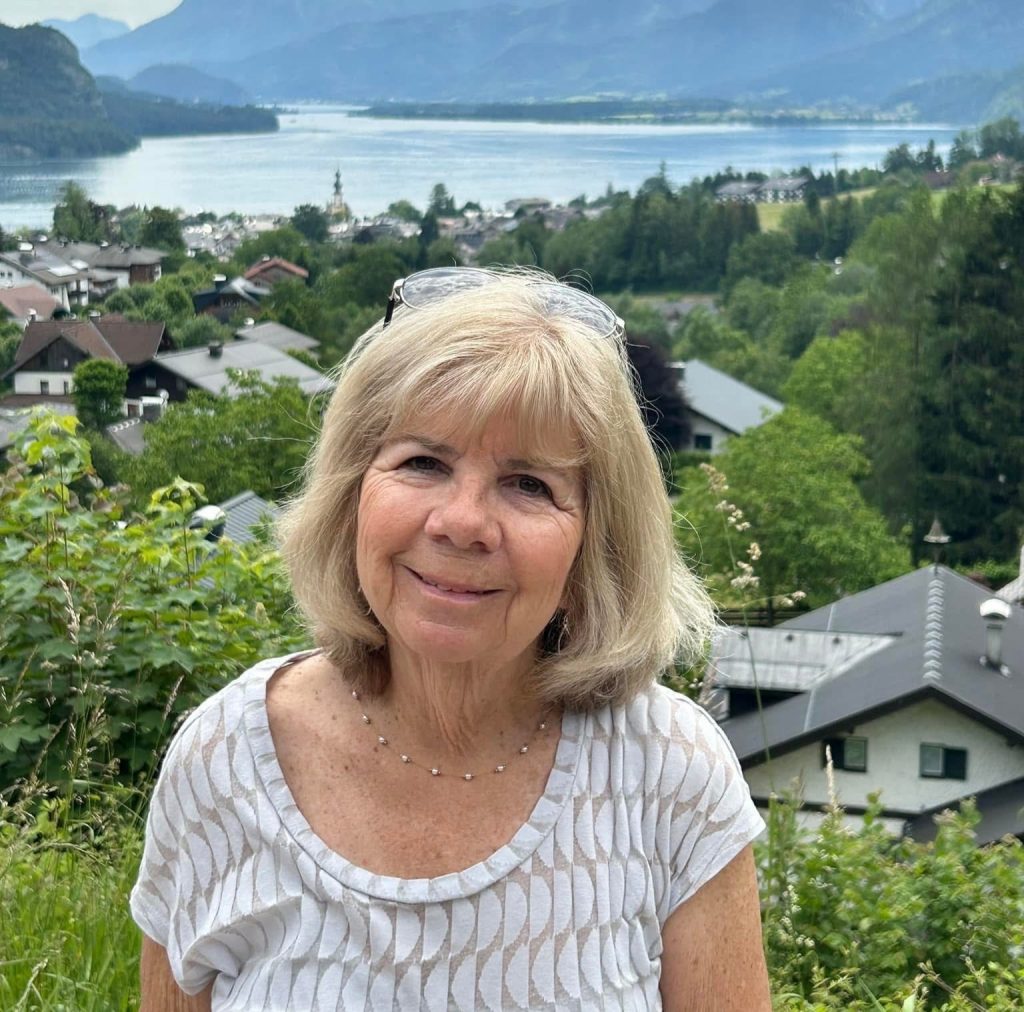
For 26 years, Laurie Richards has been the steady, quiet force behind some of the world’s most interesting and innovative ecosystem research. As Research Coordinator at Colorado State University’s Natural Resource Ecology Laboratory, she has supported countless groundbreaking studies from their initial proposal to publication. Now, as she transitions to a part-time training role, NREL is recognizing the profound impact of her behind-the-scenes work.
Richards arrived at CSU in December 1997 after seven years with the Thompson School District. A year later, an interview with then-NREL Director, Dr. Diana Wall, changed everything. “After interviewing with [Wall], the choice was clear that NREL was the best department to work in,” Richards recalls. Wall painted a picture of NREL as a growing and vibrant research department, focused on making an impact on global sustainability – a field entirely new to Richards but one that immediately captured her interest.
Supporting Nobel Prize-Winning Research
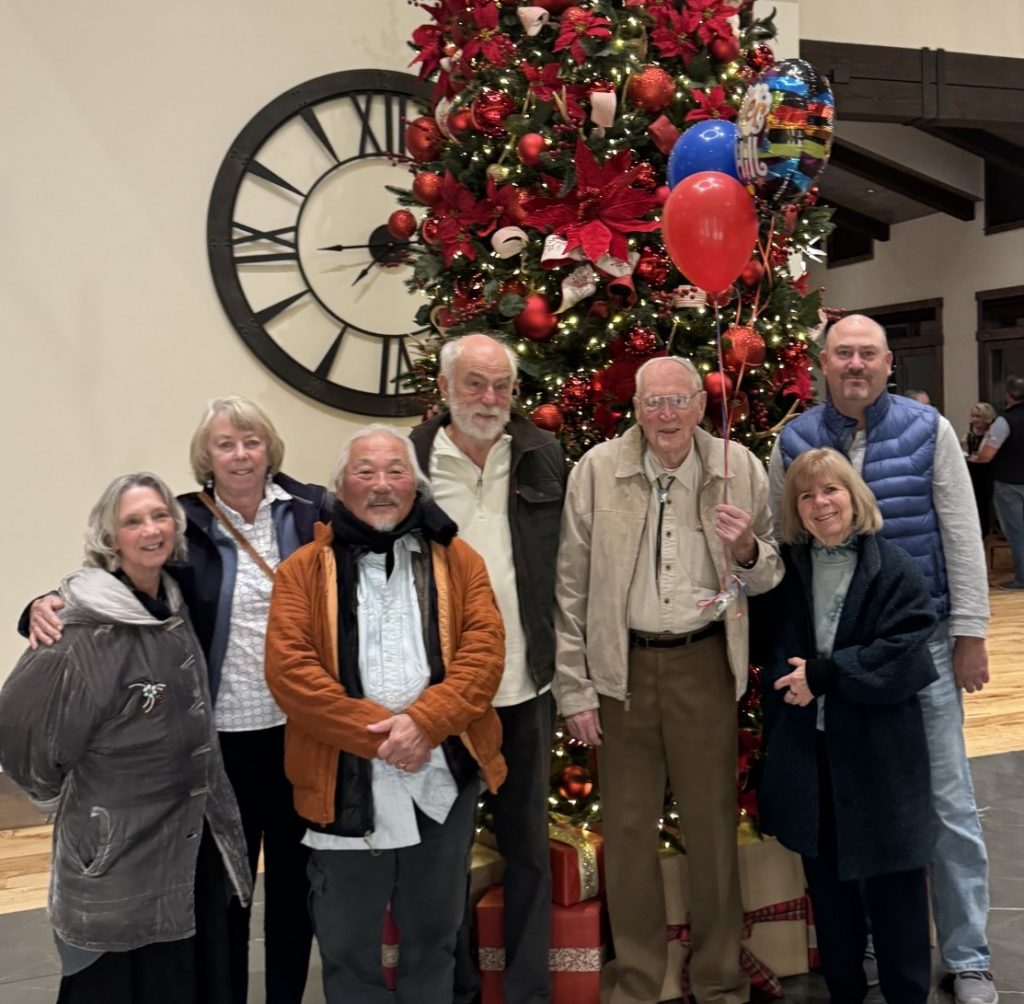
The breadth of research Richards has supported is remarkable. NREL scientists played key roles in developing the Intergovernmental Panel on Climate Change framework, including contributing to greenhouse gas assessment, climate models, human-ecosystem interactions, and soil dynamics. In fact, four NREL researchers were part of the IPCC team that received the Nobel Peace Prize in 2007 – research that Richards helped enable through her meticulous administrative support.
The numbers tell an impressive story: over the past three years alone, Richards has helped manage 161 proposals resulting in more than $26.9 million in funding. But for Richards, the relationships matter more than the statistics.
“The relationships developed while at NREL cannot be more clearly defined than to say we interact relationally as a family,” she explains. Despite working alongside world-renowned scientists with global recognition, Richards has never experienced hierarchy. “They treat me as an equal, continually supporting and encouraging me with their kind words.”
Beyond Administration
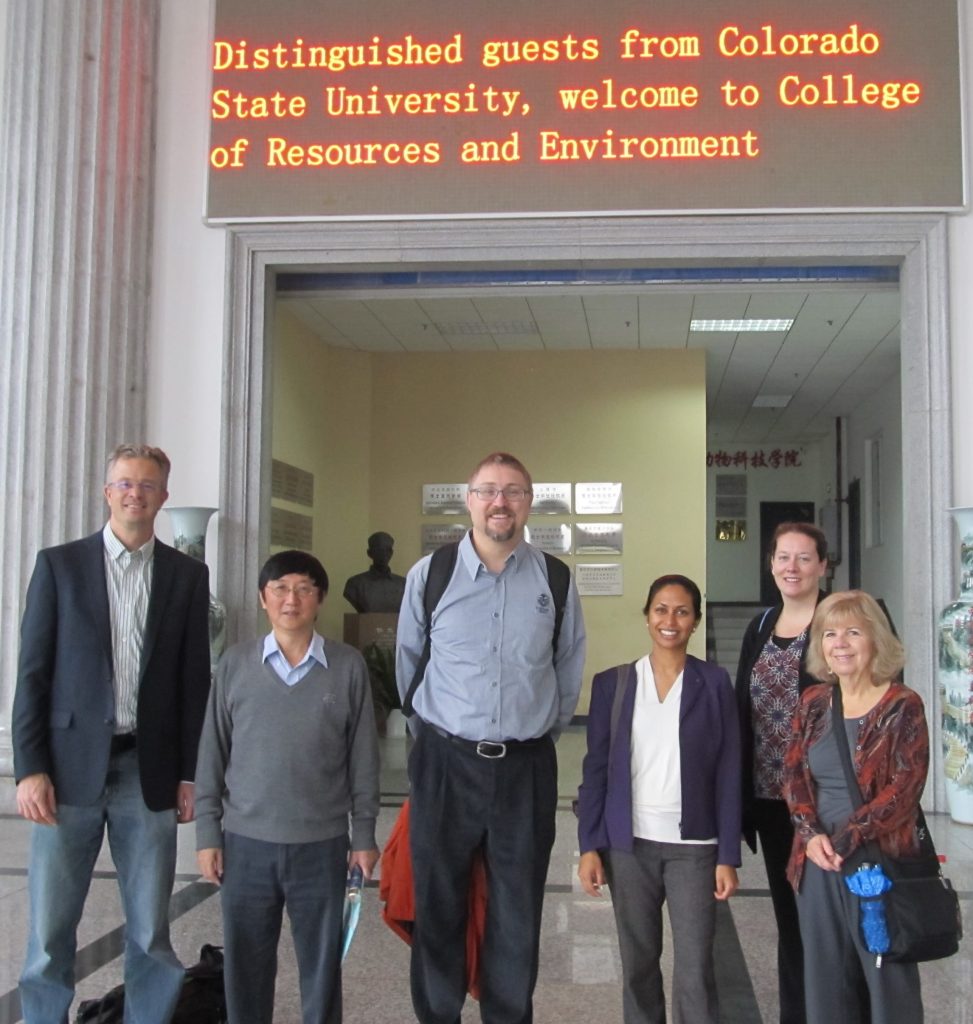
What sets Richards apart is how her role expanded far beyond typical administrative duties. She has served as editor or co-editor on approximately 100 scientific manuscripts, collaborating with researchers across the globe. She has also managed and co-edited six book publications, including the book Natural Resource Management Reimagined – a project that gave her the unique opportunity to directly engage with those who helped shape the direction of ecosystem science.
“It was an honor to work with some of the NREL research scientists on this project, both past and present, observing how systems ecology has evolved over 50 years,” Richards explains. Her editorial work has given her a unique front-row seat to the development of modern ecosystem science.
Recognition and Impact
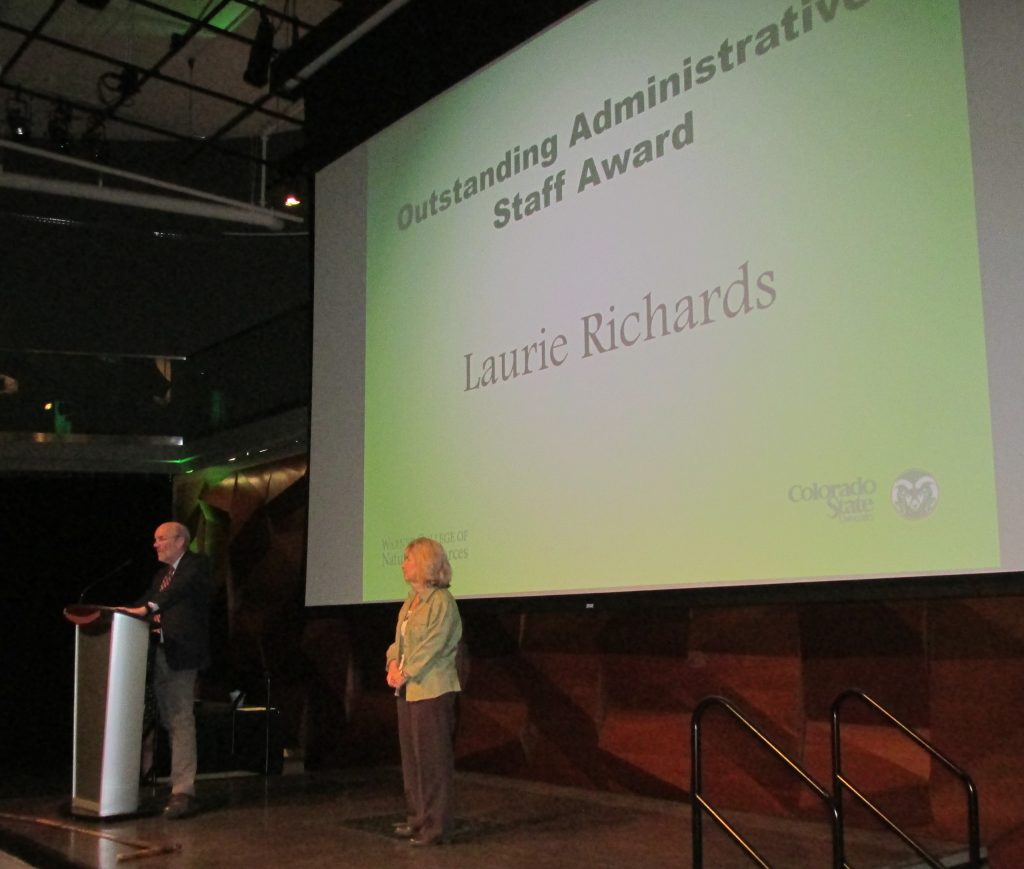
Richards’ contributions haven’t gone unnoticed. She received the Warner College of Natural Resources Annual Award for Outstanding Administrative Support Staff, among other honors. But perhaps more meaningful to her has been the trust scientists have placed in her, from co-editing prestigious publications to providing support to families during difficult times when beloved colleagues passed away.
Her impact extends beyond individual relationships. “I hope that my interactions with the scientists have provided them with a platform of administrative support to thus enable them to focus on the science with which they study,” Richards reflects.
Passing the Torch
Rather than fully retiring, Richards is working with the new support staff, transferring her years of experience to the next generation to continue NREL’s scientific legacy. She’s excited about “passing on the torch to a younger generation, with new ideas, developing their own processes.”
For newcomers to research environments, her advice is both practical and philosophical: stay current on funding opportunities, build relationships across institutions, and remember that strong administrative support enables scientists to focus on solving the world’s most pressing problems.
Looking Forward
As NREL continues to grow and tackle global environmental challenges, Richards remains optimistic about its future. She sees continued collaboration – across campus, the country, and even the globe – as essential for addressing upcoming challenges through transdisciplinary research and community engagement.
“I have no doubt that the passion and expertise I have observed from the NREL and ESS research scientists will make a positive global impact, and the students with whom they share their knowledge will be positioned to conquer the global challenges that we face today and into the future,” she says.
After 26 years of enabling world-changing research, Laurie Richards has proven that the most profound impacts often come from those who work tirelessly behind the scenes, ensuring that brilliant minds have the support they need to change the world.